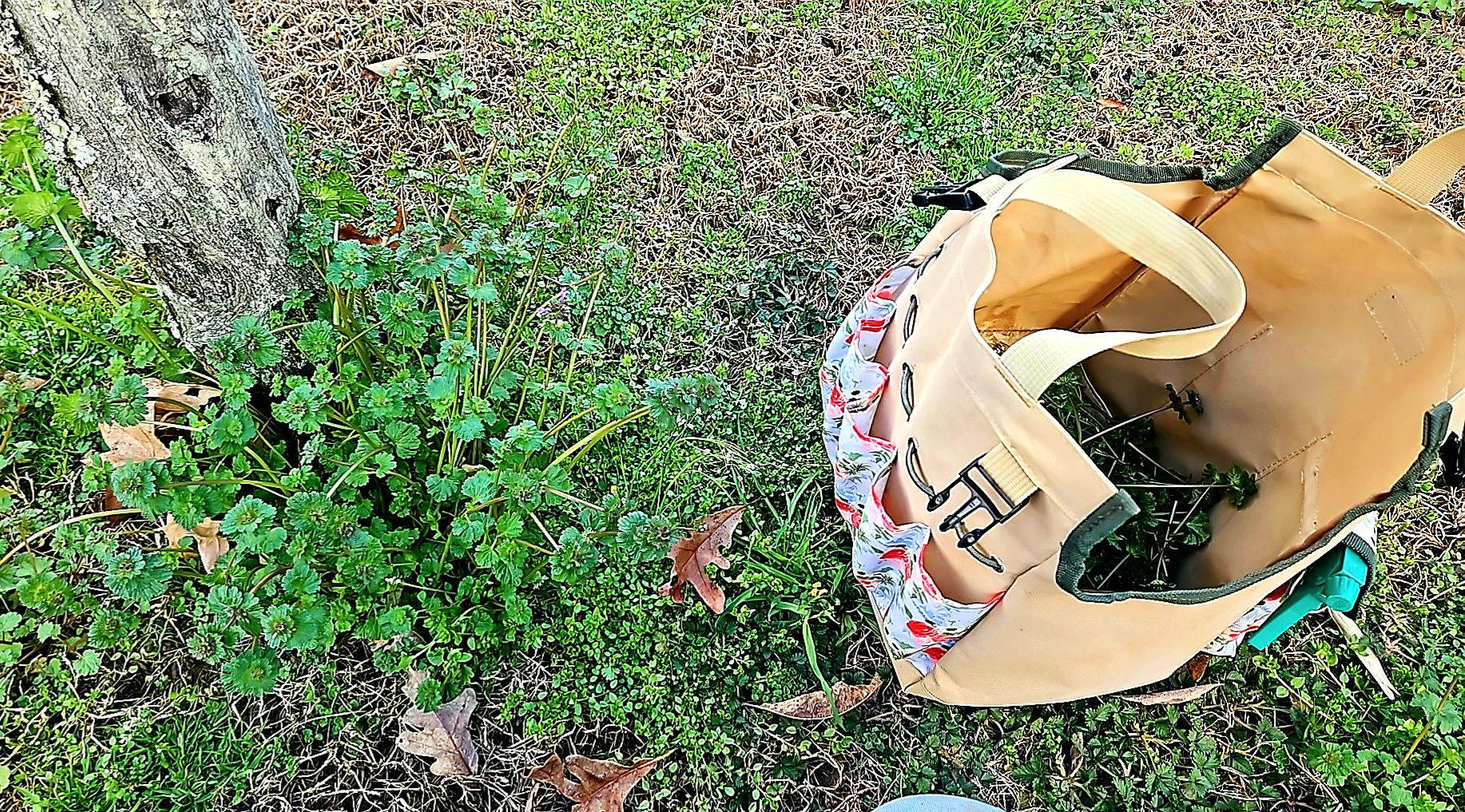
Foraging and using what we already have.
Many people look at foraging as a forgotten habit. Something that was done so long ago it is now looked at as too difficult to waste time on. Foraging seems to leave so many flummoxed. There is such a simplicity in the basics of finding edible flora. I will admit I am a newbie when it comes to identifying things, that said there are so many resources to help you find the true identity of a plant.
*Disclaimer* I am not of any medical profession nor claiming to be any kind of herbalist. This is strictly through personal experiences and things I have learned through others.
Start small I always say, it is easier to build than it is to take away. Some circumstances you can't take back regardless of how hard you try. Start with simple, easy to identify vegetation. I use the app Leaf Snap (although there are many others as well) to help achieve proper identification and I have a few other books to help reassure me.
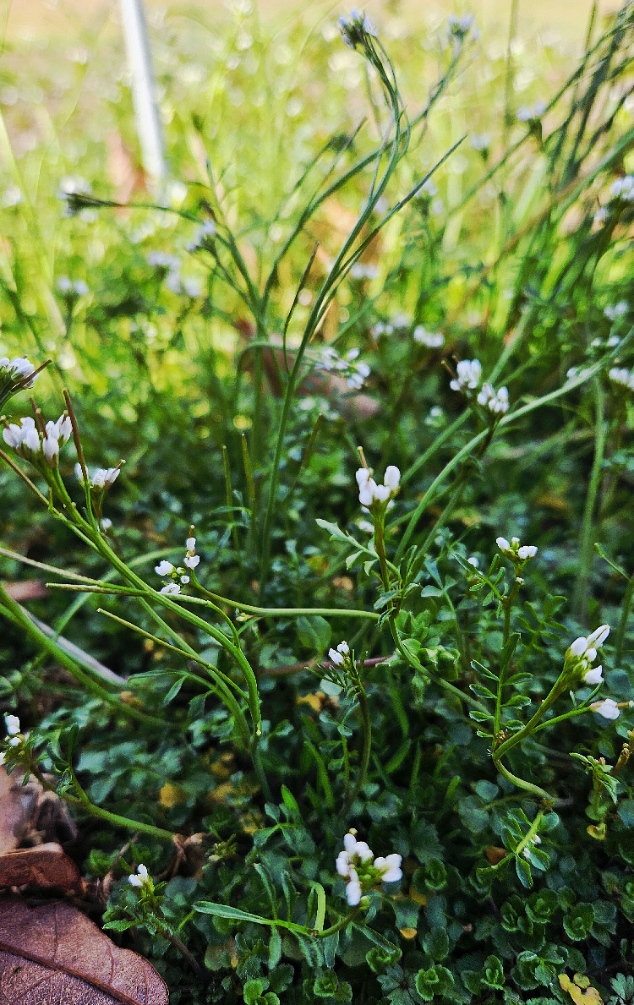
This here (the tall stalky stuff) is hairy bittercress. It is similar to chickweed, but a few general distinctions are that hair bittercress stands tall while chickweed stays close to the ground. Also, the taste is different, where chickweed is similar to spinach hairy bittercress is peppery like arugula. The leaves are good distinguishers as well. These have compound "hairy looking" leaves, as chickweed has plump oval leaves. The best thing is both are consumable!
Both hairy bittercress and chickweed can be used as greens in salads, my girls and I tested them raw on their own and they were actually quite delicious!
Another herb I like to forage is nettles. I have not found any stinging nettles on the farm, though I am still looking! What I found is numerous sources of purples dead-nettle and henbit dead-nettle. These have been such a blessing to find!
Both dead-nettles have these extremely tiny, but beautiful, purple/pinkish looking flowers. They grow in a stalk-like structure and are pretty easy to spot in our area of the Appalachians.
Purple dead-nettle is pictured below on the left,
henbit dead-nettle is pictured on the right.
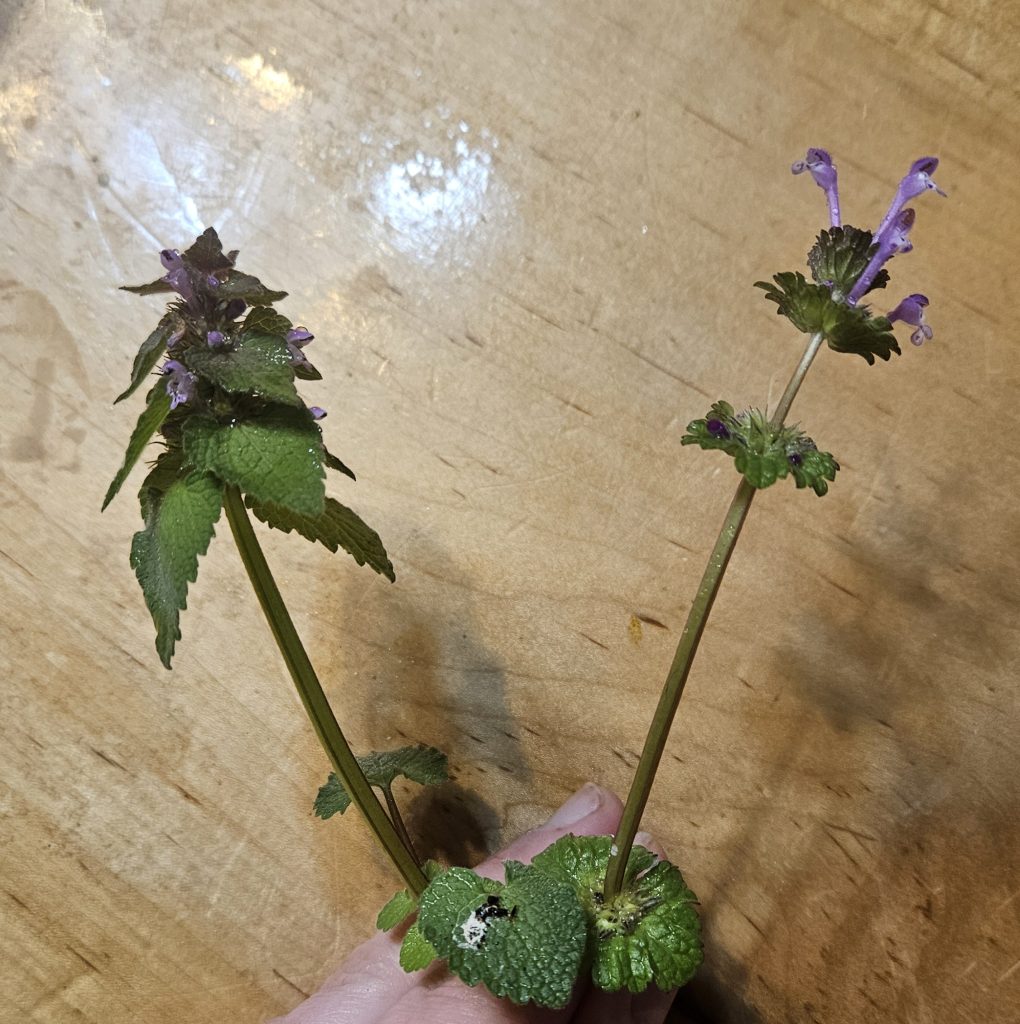
As you can see in the picture to the right, they have a few similarities. Such as, the purple hollowed flowers, stalk-like stems, the stems have a squared shape, and the leaves tend to bunch towards the top and bottoms of the stem. That shown, the main difference you can see is the leaf composition. If you look at the purple dead-nettle, the leaves have an oval shape with jagged edges, while the henbit has a rounded shape that connects from the center.
Both I have used personally and have come to the conclusion they have equal benefits. Now with these the only thing you will want to use are the above ground parts. No roots here. They are wonderful to put in salads and have a very strong spinach taste. We tried it as a tea, and learned that it has a strong leafy vegetable flavor to it. Added to other strongly flavored teas such as a berry tea or dandelion tea, it paired much better. I have used this to aid in helping to clear allergy-type symptoms and it is a wonderful diuretic. Make sure if you ever decide to use anything medicinally, DO YOUR OWN RESEARCH. I have found out so many things and later found that those things were mistaken. Anything that is suggested or told on here I emphasize to do your research. Finding natural ways to help take care of your body is important and someone can have a different reaction to something than others. Always remember to proceed with caution.
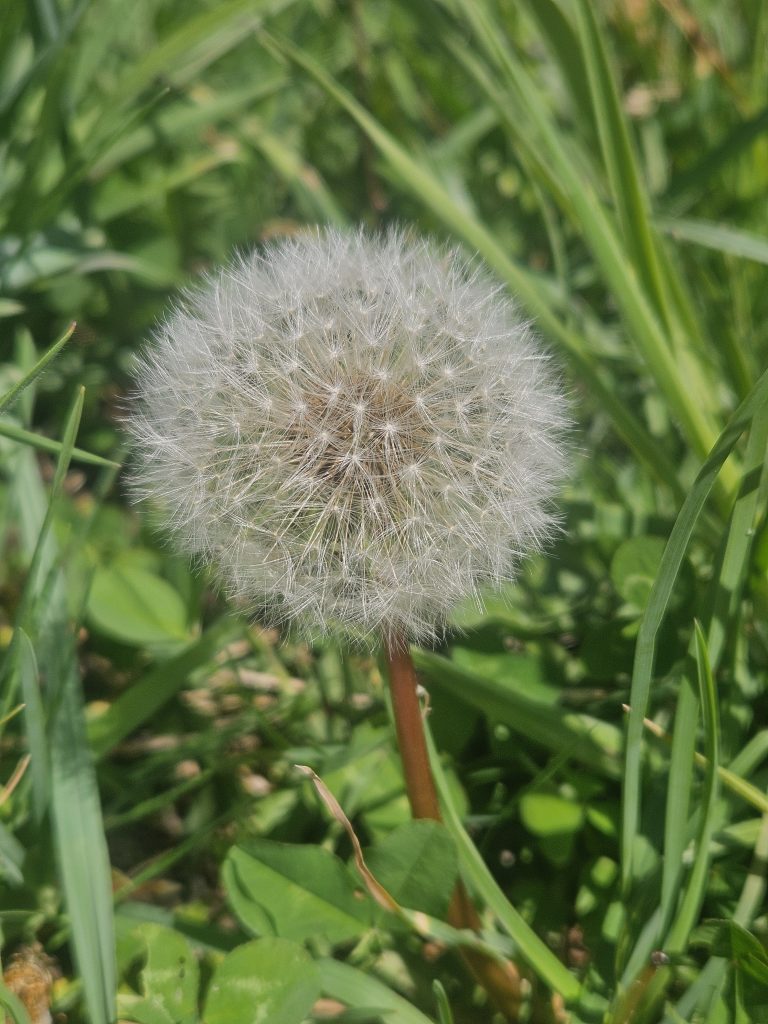
My last, but definitely not least favorites foraged "weed" are none other than...... Dandelions!! They are so wonderful and extremely versatile! My daughters and I foraged a big batch the other day from another Farm down the road, thanks to some sensational neighbors. The most spectacular thing is every part of a dandelion can be used! the above greens are like a bitter, leafy green that you can fry in butter or throw in salads. I have recently seen someone use the stems to make some kind of spaghetti, which of course I will be trying in the very near future!! The petals can be used in teas, or my favorite, jelly! The best part of it in my opinion though is the root, it has been shown to have many health benefits and is a wonderful tea, I even steep my coffee with a bag as it has such a robust flavor it pairs well and I get some extra health benefits!!
Now about this dandelion jelly, it is one of my favorite jellies. It is light, buttery and goes with just about anything! What you do is you pluck the petals from the base of the flower (you don't want any green or it can give it a bitter taste). I use roughly 2 cups of petals per 4 cups of water, bring that to a boil, shut that heat off and steep for roughly 24 hours. I never let it sit that long; this girl gets way too excited. Then, I simply use my wonderful sure-jel packets (or any pectin packets will work). After straining the petals, I bring that tea to a boil add about 4 cups of sugar, some lemon juice (forgive me I am not one who measures often). After ya see the bubbles, I add my pectin and let that bad boy boil until it coats a spoon (usually about a minute or two).
Of course I make big batches, so then I funnel the jelly into some jars and water bath them for 10 minutes. I have made a variation with berries that turned out delicious. Other variations would be worth a try, like peppers!
I hope this post has brought you some wonderful insight on just how beautiful the world God gave us is. It truly is breath-taking how He uses everything for his good! Always use caution when learning a new gift, but don't be afraid to push forward. It took me forever it feels like to truly explore the world God has gifted us and I thank Him everyday what a blessing it is to be here. Good luck on your foraging adventures, don't forget to invite me!
Til next time and with much love,
Vanessa